Blog

  • Healthy Lifestyle Habits for Long Life

    Living a long and healthy life is not only about good genes but also about the lifestyle choices we make every day. In todayโ€™s fast-paced world, unhealthy eating habits, lack of physical activity, stress, and poor sleep have become common problems. These factors can lead to serious health issues such as obesity, diabetes, heart disease, and mental stress. Adopting healthy lifestyle habits can significantly improve both the quality and length of life. This blog discusses important healthy lifestyle habits for long life and overall well-being.

    1. Balanced and Nutritious Diet

    A healthy diet is the foundation of a long life. Eating a balanced diet provides the body with essential nutrients, vitamins, and minerals required for proper functioning. A nutritious diet should include fresh fruits, green vegetables, whole grains, pulses, nuts, seeds, and lean proteins. Avoiding junk food, excess sugar, and processed foods helps reduce the risk of chronic diseases.

    Drinking enough water is also an important part of a healthy diet. Proper hydration improves digestion, boosts energy levels, and keeps the body detoxified. Choosing healthy food habits from a young age plays a key role in maintaining long-term health.

    SEO keywords: healthy diet, balanced nutrition, nutritious food, healthy eating habits

    2. Regular Physical Activity

    Regular exercise is one of the most effective healthy lifestyle habits for long life. Physical activity helps maintain a healthy weight, strengthens muscles and bones, and improves heart health. Activities such as walking, jogging, cycling, yoga, and swimming keep the body active and energetic.

    Exercise also improves mental health by reducing stress, anxiety, and depression. Even 30 minutes of moderate exercise daily can make a big difference. Staying physically active improves immunity and lowers the risk of lifestyle diseases.

    SEO keywords: regular exercise, physical fitness, daily workout, active lifestyle

    3. Adequate Sleep and Rest

    Proper sleep is often ignored, but it is essential for a long and healthy life. Adults should aim for 7โ€“8 hours of quality sleep every night. Good sleep helps the body repair itself, improves memory, and boosts concentration.

    Lack of sleep can lead to fatigue, weak immunity, obesity, and mental health problems. Maintaining a regular sleep schedule, avoiding screens before bedtime, and creating a calm sleeping environment can improve sleep quality.

    SEO keywords: quality sleep, healthy sleep habits, importance of sleep

    4. Stress Management and Mental Well-Being

    Mental health is as important as physical health for long life. Chronic stress can negatively affect the heart, immune system, and overall health. Managing stress through meditation, deep breathing, yoga, or hobbies helps maintain emotional balance.

    Spending time with family and friends, practicing mindfulness, and having a positive attitude toward life can improve mental well-being. A calm and stress-free mind contributes to better health and longevity.

    SEO keywords: stress management, mental health, emotional well-being

    5. Avoiding Harmful Habits

    Avoiding unhealthy habits is crucial for long-term health. Smoking, excessive alcohol consumption, and drug use can severely damage vital organs and reduce life expectancy. Quitting smoking and limiting alcohol intake significantly lowers the risk of cancer, liver disease, and heart problems.

    Replacing harmful habits with healthy ones like exercise, reading, or meditation can improve overall quality of life.

    SEO keywords: avoid smoking, alcohol control, healthy habits

    6. Regular Health Check-ups

    Regular medical check-ups help in early detection and prevention of diseases. Monitoring blood pressure, blood sugar, cholesterol levels, and body weight allows timely treatment and lifestyle changes.

    Preventive healthcare plays a major role in increasing lifespan and reducing medical complications. Staying aware of oneโ€™s health condition is a smart step toward long life.

    SEO keywords: regular health check-ups, preventive healthcare

    7. Maintaining Social Connections

    Strong social relationships contribute to emotional happiness and long life. Staying connected with family, friends, and community reduces loneliness and stress. Social interactions improve mental health and provide emotional support during difficult times.

    People with strong social bonds often live healthier and happier lives compared to those who feel isolated.

    SEO keywords: social connections, emotional support, healthy relationships

    Conclusion

    Healthy lifestyle habits for long life are simple but powerful. Eating a balanced diet, exercising regularly, getting enough sleep, managing stress, avoiding harmful habits, and maintaining social connections can greatly improve overall health and longevity. Small daily changes can lead to big long-term benefits. By adopting these healthy habits, we can enjoy a longer, happier, and more fulfilling life
  • Common Fitness Mistakes Beginners Make (And How to Avoid Them)

    Starting a fitness journey is an excellent decision for a healthy body and mind. Many beginners feel motivated at first, but due to lack of knowledge, they often make mistakes that slow down progress or even cause injuries. Understanding these common fitness mistakes can help beginners stay consistent, safe, and successful in the long run. This article discusses the most common fitness mistakes beginners make and how to avoid them.

    1. Skipping Warm-Up and Cool-Down

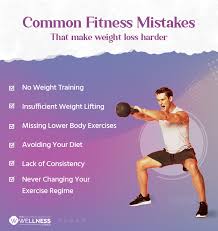
    One of the biggest mistakes beginners make is skipping warm-up and cool-down exercises. Many people jump straight into workouts without preparing their muscles. Warm-up increases blood flow, improves flexibility, and reduces the risk of injury. Similarly, cool-down helps relax muscles and prevents stiffness.

    Solution: Spend at least 5โ€“10 minutes warming up before exercise and cooling down after your workout.

    2. Doing Too Much Too Soon

    Beginners often feel excited and try to do intense workouts from the very first day. Overtraining can lead to muscle pain, fatigue, and injuries. Fitness is a gradual process, not a race.

    Solution: Start slow and increase intensity gradually. Give your body time to adapt.

    3. Poor Exercise Form

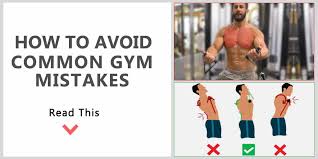
    Incorrect posture or form during exercises is a very common beginner mistake. Wrong form reduces workout effectiveness and increases the risk of injury, especially during strength training.

    Solution: Learn the correct technique from a trainer, reliable videos, or fitness apps. Focus on quality rather than quantity.

    4. Ignoring Rest and Recovery

    Many beginners think working out every day without rest will give faster results. In reality, muscles grow and recover during rest periods. Ignoring recovery can lead to burnout and injuries.

    Solution: Include rest days in your fitness routine and ensure proper sleep for muscle recovery.

    5. Not Following a Balanced Diet

    Exercise alone is not enough for fitness. Beginners often ignore nutrition or follow extreme diets. Poor eating habits can result in low energy levels and slow progress.

    Solution: Eat a balanced diet with proteins, carbohydrates, healthy fats, fruits, and vegetables. Stay hydrated throughout the day.

    6. Unrealistic Fitness Goals

    Setting unrealistic goals like rapid weight loss or instant muscle gain can cause frustration and disappointment. This often leads to quitting fitness altogether.

    Solution: Set realistic, achievable fitness goals and track progress regularly. Focus on long-term health benefits.

    7. Comparing Yourself to Others

    Beginners often compare their progress with experienced gym members or fitness influencers. This comparison can reduce confidence and motivation.

    Solution: Remember that everyoneโ€™s fitness journey is different. Focus on your own improvement and consistency.

    8. Over-Reliance on Supplements

    Many beginners believe supplements are essential for fitness success. In reality, supplements are not a replacement for a healthy diet and proper training.

    Solution: Focus on natural food sources first. Use supplements only if recommended by a professional.

    9. Lack of Consistency

    Inconsistency is another common fitness mistake. Beginners may exercise for a few days and then stop due to lack of motivation or busy schedules.

    Solution: Create a simple and realistic workout plan that fits your lifestyle. Consistency is more important than intensity.

    10. Ignoring Mental Health

    Fitness is not only about physical appearance. Beginners often ignore the mental health benefits of exercise, such as stress relief and improved mood.

    Solution: Choose workouts you enjoy and focus on how exercise makes you feel, not just how you look.

    Conclusion

    Making mistakes is a normal part of any fitness journey, especially for beginners. However, being aware of common fitness mistakes can help you avoid injuries, stay motivated, and achieve better results. Always remember that fitness is a lifelong commitment, not a short-term goal. Start slow, stay consistent, eat healthy, and listen to your body. With the right approach, fitness can become an enjoyable and rewarding part of your life.

  • Importance of Hydration During Exercise

    Hydration plays a vital role in maintaining overall health and fitness, especially during exercise. When we exercise, our body temperature rises and we lose water through sweat. If this lost fluid is not replaced, it can lead to dehydration, which negatively affects physical performance, recovery, and even mental focus. Proper hydration before, during, and after exercise is essential for achieving the best fitness results and staying healthy.

    What Is Hydration?

    Hydration means supplying enough water to the body to maintain normal bodily functions. Water makes up about 60% of the human body and is involved in almost every important process, including digestion, circulation, temperature regulation, and muscle function. During physical activity, the body needs more water to compensate for fluid loss caused by sweating.

    Why Hydration Is Important During Exercise

    1. Regulates Body Temperature

    One of the main functions of water during exercise is temperature control. When you exercise, your body produces heat. Sweating helps cool the body, but this process uses water. If you are not properly hydrated, your body struggles to cool itself, increasing the risk of heat exhaustion or heat stroke.

    2. Improves Physical Performance

    Dehydration can reduce strength, endurance, and coordination. Even mild dehydration can lead to early fatigue and reduced stamina. Drinking enough water helps muscles work efficiently, improves energy levels, and allows you to exercise for longer durations without feeling exhausted.

    3. Prevents Muscle Cramps and Injuries

    Lack of hydration can cause muscle cramps, stiffness, and soreness. Water helps transport electrolytes like sodium and potassium, which are essential for muscle contraction. Staying hydrated reduces the risk of cramps and exercise-related injuries.

    4. Supports Heart and Blood Circulation

    During exercise, the heart works harder to pump blood and oxygen to muscles. Dehydration reduces blood volume, making it harder for the heart to circulate blood efficiently. Proper hydration supports healthy blood flow and reduces strain on the heart.

    5. Enhances Focus and Mental Performance

    Exercise is not only physical but also mental. Dehydration can affect concentration, coordination, and reaction time. Drinking enough water helps maintain mental clarity, motivation, and focus during workouts.

    Signs of Dehydration During Exercise

    It is important to recognize the early signs of dehydration, which include:

    • Dry mouth and lips
    • Dark yellow urine
    • Dizziness or lightheadedness
    • Fatigue and weakness
    • Headache
    • Muscle cramps

    Ignoring these signs can lead to serious health problems, so timely hydration is essential.

    How Much Water Should You Drink?

    Water needs vary depending on factors such as body weight, exercise intensity, climate, and duration of workout. However, general guidelines include:

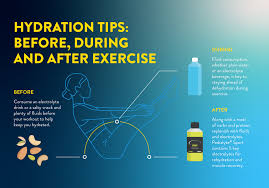
    • Before exercise: Drink 400โ€“600 ml of water 1โ€“2 hours before exercising.
    • During exercise: Take small sips every 15โ€“20 minutes, especially during long or intense workouts.
    • After exercise: Drink enough water to replace fluid lost through sweat. Including electrolytes can help recovery.

    For workouts lasting more than one hour, sports drinks may help replenish electrolytes, but plain water is sufficient for most moderate exercises.

    Hydration Tips for Effective Exercise

    • Always carry a water bottle during workouts
    • Drink water even if you donโ€™t feel thirsty
    • Increase water intake in hot and humid weather
    • Eat water-rich foods like fruits and vegetables
    • Avoid excessive caffeine or sugary drinks before exercise

    Hydration and Recovery

    Hydration does not end when exercise stops. After workouts, the body needs water to repair muscles, remove waste products, and restore energy levels. Proper hydration speeds up recovery, reduces muscle soreness, and prepares the body for the next workout session.

    Conclusion

    Hydration is a key factor in safe and effective exercise. It supports physical performance, prevents injuries, regulates body temperature, and enhances mental focus. Many people focus on workouts and diet but ignore hydration, which can limit fitness progress. By making hydration a regular habit, you can improve your exercise performance, protect your health, and achieve better fitness results. Remember, water is not just a drinkโ€”it is fuel for your body.

  • Weight Loss Tips Through Fitness: A Complete Guide to a Healthier Life

    Weight loss is one of the most common health goals today. With increasing sedentary lifestyles, unhealthy eating habits, and stress, many people struggle to maintain a healthy weight. While dieting alone may show short-term results, fitness and regular exercise are the most effective and sustainable ways to achieve long-term weight loss. This blog discusses practical and proven weight loss tips through fitness that can help you stay healthy, active, and confident.

    Why Fitness Is Important for Weight Loss

    Fitness plays a vital role in weight loss because it helps burn calories, boosts metabolism, and improves overall body composition. Regular physical activity not only reduces body fat but also strengthens muscles and improves endurance. Unlike crash diets, fitness-based weight loss focuses on long-term health and lifestyle improvement.

    When you exercise regularly, your body continues to burn calories even after the workout. This is known as the afterburn effect. Fitness also helps control appetite, reduces stress, and improves sleep, all of which are important for healthy weight loss.

    Start with Simple Exercises

    One of the biggest mistakes beginners make is starting with intense workouts. If you are new to fitness, begin with simple and low-impact exercises such as:

    • Brisk walking
    • Jogging
    • Cycling
    • Skipping rope
    • Basic stretching

    These activities help burn calories without putting too much pressure on your body. Walking for 30โ€“45 minutes daily is an excellent way to start your weight loss journey.

    Include Cardio Workouts

    Cardio exercises are highly effective for weight loss because they increase heart rate and burn a large number of calories. Some popular cardio workouts include:

    • Running
    • Swimming
    • Aerobics
    • Zumba
    • Dancing

    Doing cardio exercises at least 4โ€“5 times a week can significantly improve fat loss. For best results, combine moderate and high-intensity cardio sessions.

    Add Strength Training to Your Routine

    Many people think weight loss is only about cardio, but strength training is equally important. Strength training helps build lean muscle mass, which increases your resting metabolism. This means your body burns more calories even when you are not exercising.

    Examples of strength training exercises include:

    • Push-ups
    • Squats
    • Lunges
    • Planks
    • Weight lifting

    Including strength training 2โ€“3 times a week can speed up weight loss and improve body shape.

    Maintain Consistency and Discipline

    Consistency is the key to successful weight loss through fitness. Doing intense workouts for a few days and then quitting will not give results. It is better to follow a simple and realistic fitness routine regularly.

    Set achievable goals, such as exercising for 30 minutes daily. Gradually increase the duration and intensity as your fitness level improves. Discipline and patience are more important than perfection.

    Combine Fitness with a Healthy Diet

    Fitness alone cannot give optimal weight loss results without a balanced diet. Avoid junk food, sugary drinks, and excessive fried items. Focus on:

    • Fresh fruits and vegetables
    • Whole grains
    • Lean proteins like eggs, pulses, and nuts
    • Plenty of water

    Eating small, frequent meals helps maintain energy levels and prevents overeating. Remember, fitness and nutrition go hand in hand.

    Stay Hydrated and Get Proper Sleep

    Drinking enough water is often overlooked but is crucial for weight loss. Water helps in digestion, reduces hunger, and improves workout performance. Aim to drink at least 2โ€“3 liters of water daily.

    Proper sleep is also essential. Lack of sleep can slow down metabolism and increase cravings. Try to get 7โ€“8 hours of quality sleep every night to support your fitness goals.

    Track Your Progress and Stay Motivated

    Tracking your fitness progress helps you stay motivated. You can track steps, workout duration, or body measurements. Avoid checking weight daily; instead, focus on how active and energetic you feel.

    Celebrate small achievements, such as completing a week of workouts or improving stamina. Staying positive and motivated will help you stick to your fitness routine.

    Conclusion

    Weight loss through fitness is not about quick fixes or extreme measures. It is about adopting a healthy lifestyle that includes regular exercise, balanced nutrition, proper sleep, and consistency. Fitness improves not only physical appearance but also mental health and confidence.

    By following these simple weight loss tips through fitness, you can achieve sustainable results and lead a healthier, happier life. Remember, small daily efforts lead to big long-term changes.

  • Fitness for Mental Health and Confidence

    In todayโ€™s fast-paced and competitive world, mental health and self-confidence have become as important as physical health. Stress, anxiety, low self-esteem, and lack of confidence are common problems faced by students, professionals, and even children. One of the most effective and natural ways to improve mental health and build confidence is regular physical fitness. Fitness is not only about having a strong body; it also plays a vital role in creating a positive mindset and a confident personality.

    Connection Between Fitness and Mental Health

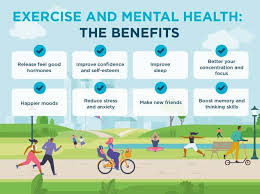
    Mental health refers to our emotional, psychological, and social well-being. Regular exercise has a direct impact on the brain. When we exercise, the body releases endorphins, also known as โ€œfeel-good hormones.โ€ These chemicals help reduce stress, anxiety, and depression while improving mood and overall happiness.

    Physical activities such as walking, jogging, yoga, cycling, or gym workouts help clear negative thoughts and provide mental relaxation. Studies show that people who exercise regularly have lower levels of stress and are more emotionally balanced. Fitness acts as a natural therapy that keeps the mind calm and focused.

    How Fitness Reduces Stress and Anxiety

    Stress and anxiety are major mental health issues in modern life. Academic pressure, job stress, social media influence, and personal problems can disturb mental peace. Exercise helps the body manage stress by lowering cortisol levels, which is the stress hormone.

    Activities like yoga and meditation combined with fitness improve breathing patterns and help control anxiety. Even simple exercises like stretching or a 30-minute walk can significantly reduce stress. Regular fitness routines provide a healthy outlet to release tension and negative emotions.

    Fitness and Self-Confidence

    Self-confidence is the belief in oneโ€™s abilities and self-worth. Fitness plays an important role in boosting confidence. When individuals set fitness goals and achieve them, they feel a sense of accomplishment. This achievement increases self-belief and motivation.

    As physical fitness improves, body posture, strength, and appearance also improve. Feeling healthy and energetic automatically enhances self-image. People who are fit often feel more comfortable in social situations and develop a positive attitude toward themselves.

    Role of Fitness in Improving Self-Esteem

    Self-esteem is how we value ourselves. Regular exercise helps improve self-esteem by creating a sense of discipline and control. Fitness teaches consistency, patience, and self-care. Each workout session is a reminder that you are investing in yourself.

    Fitness also reduces negative self-talk. When you challenge your body and overcome physical limits, your mind learns to handle challenges better. This mental strength reflects in daily life, academics, and career growth.

    Fitness for Better Sleep and Mental Clarity

    Good mental health depends on quality sleep. Regular physical activity improves sleep patterns by helping the body relax naturally. Better sleep leads to improved concentration, memory, and emotional stability.

    Fitness also increases mental clarity and focus. Exercise increases blood flow to the brain, improving cognitive functions. Students who exercise regularly often perform better academically due to improved attention and reduced mental fatigue.

    Types of Fitness Activities for Mental Health

    Different fitness activities offer unique mental health benefits:

    • Yoga and Meditation: Improve mindfulness, reduce anxiety, and enhance emotional balance.
    • Cardio Exercises: Running, cycling, or swimming improve mood and reduce depression.
    • Strength Training: Builds confidence by increasing physical strength and discipline.
    • Outdoor Activities: Walking in nature improves mental peace and reduces stress.

    Choosing activities you enjoy makes fitness sustainable and enjoyable.

    Fitness as a Tool for Emotional Resilience

    Life is full of challenges and failures. Fitness builds emotional resilience by teaching persistence and self-control. People who exercise regularly develop a strong mindset to handle pressure and setbacks.

    Fitness routines create structure in daily life, reducing feelings of confusion and helplessness. This structure provides emotional stability and a sense of purpose, which is essential for mental well-being.

    Conclusion

    Fitness is a powerful tool for improving mental health and self-confidence. It reduces stress, anxiety, and depression while promoting happiness, positivity, and emotional strength. Regular physical activity builds confidence, self-esteem, and mental clarity. In a world where mental health challenges are increasing, fitness offers a simple, natural, and effective solution.

    By making fitness a part of daily life, individuals can achieve not only a healthy body but also a strong mind and confident personality. Remember, a fit body creates a confident mind, and a confident mind leads to a successful and happy life.

  • How Technology Helps in Fitness Tracking

    In todayโ€™s digital age, technology has transformed almost every aspect of our lives, including how we maintain our health and fitness. Fitness tracking technology has become a powerful tool for people who want to stay active, monitor their progress, and achieve their health goals effectively. From smartphones and wearable devices to mobile applications and smart equipment, technology has made fitness tracking easier, more accurate, and highly motivating. This article explains how technology helps in fitness tracking and why it has become essential for a healthy lifestyle.

    1. Evolution of Fitness Tracking Technology

    Earlier, fitness tracking was limited to manual methods such as maintaining notebooks, counting steps mentally, or estimating calorie intake. Today, advanced technology has replaced guesswork with data-driven insights. Fitness trackers, smartwatches, and mobile apps can record real-time information about physical activity, heart rate, sleep patterns, and calories burned. This evolution has made fitness tracking accessible to people of all ages and fitness levels.

    2. Wearable Devices for Accurate Monitoring

    Wearable fitness devices like smartwatches and fitness bands play a major role in fitness tracking. These devices use sensors to track steps, distance, heart rate, oxygen levels, and even stress. By wearing these devices throughout the day, users get continuous health data without any effort.

    Wearables help users:

    • Monitor daily activity levels
    • Track workouts such as running, cycling, and gym sessions
    • Measure heart rate and calories burned
    • Analyze sleep quality and recovery

    This accurate monitoring helps individuals understand their physical condition and make better fitness decisions.

    3. Fitness Mobile Apps and Personalization

    Fitness mobile applications are another important part of fitness tracking technology. Apps like workout planners, calorie counters, and yoga guides allow users to track their fitness journey on their smartphones. These apps often provide personalized workout plans and diet suggestions based on age, weight, goals, and activity level.

    Benefits of fitness apps include:

    • Customized workout routines
    • Daily activity and calorie tracking
    • Nutrition and hydration monitoring
    • Progress reports and goal reminders

    Personalization keeps users motivated and helps them follow a structured fitness routine.

    4. Real-Time Feedback and Motivation

    One of the biggest advantages of technology in fitness tracking is real-time feedback. When users exercise, they can instantly see their performance data, such as speed, heart rate, and calories burned. This immediate feedback helps users adjust their workouts for better results.

    Technology also increases motivation through:

    • Daily step goals
    • Achievement badges and rewards
    • Progress charts and graphs
    • Reminders and notifications

    Such features encourage consistency and make fitness tracking more engaging and enjoyable.

    5. Data Analysis and Progress Tracking

    Fitness tracking technology collects large amounts of data over time. This data is analyzed to show trends and patterns in physical activity, weight, sleep, and overall health. Users can view weekly, monthly, or yearly progress reports to evaluate their improvement.

    Progress tracking helps in:

    • Identifying strengths and weaknesses
    • Setting realistic fitness goals
    • Avoiding overtraining or inactivity
    • Staying committed to long-term fitness plans

    By understanding data insights, users can improve their fitness strategies effectively.

    6. Integration with Smart Equipment and Online Platforms

    Modern gyms and home fitness setups use smart equipment that connects with fitness apps and wearables. Treadmills, exercise bikes, and smart weights can sync workout data automatically. Online fitness platforms also offer virtual training sessions and live workout classes.

    This integration provides:

    • Accurate workout records
    • Access to expert guidance
    • Convenience of home workouts
    • Social interaction through fitness communities

    Technology bridges the gap between professional training and personal fitness tracking.

    7. Health Awareness and Preventive Care

    Fitness tracking technology does more than track exercise; it promotes overall health awareness. By monitoring vital signs like heart rate, sleep quality, and activity levels, technology can alert users to potential health issues. Some devices even detect irregular heartbeats or high stress levels.

    Early health insights help in:

    • Preventing lifestyle-related diseases
    • Improving mental health
    • Encouraging healthier daily habits
    • Supporting long-term wellness

    This preventive approach makes fitness tracking technology highly valuable.

    8. Accessibility and Convenience

    Technology has made fitness tracking affordable and accessible. Most people already own smartphones, and many fitness apps are free or low-cost. This convenience allows users to track fitness anytime and anywhere without professional supervision.

    Students, working professionals, and seniors can all benefit from fitness tracking technology according to their needs and schedules.

    Conclusion

    Technology has revolutionized fitness tracking by making it simple, accurate, and motivating. Wearable devices, fitness apps, smart equipment, and data analysis tools help individuals monitor their health, track progress, and achieve fitness goals efficiently. With real-time feedback, personalized plans, and health insights, fitness tracking technology encourages a healthier and more active lifestyle. As technology continues to advance, fitness tracking will become even more intelligent, making health and fitness easier to manage for everyone.

  • Role of Sleep in Fitness: Why Quality Rest Is Essential for a Healthy Body and Mind

    Sleep plays a crucial role in fitness and overall well-being, yet it is often ignored in modern lifestyles. Many people focus only on exercise and diet but forget that proper sleep is the third pillar of fitness. Without adequate rest, even the best workout and nutrition plan cannot deliver effective results. This article explains the role of sleep in fitness, its benefits, and why quality sleep is essential for physical and mental health.

    Understanding the Connection Between Sleep and Fitness

    Sleep is the bodyโ€™s natural recovery process. During sleep, the body repairs muscles, restores energy, balances hormones, and strengthens the immune system. When you exercise, you create small tears in your muscles. These muscles grow stronger only when they recover during sleep. Hence, sleep directly impacts strength, endurance, and overall fitness performance.

    Lack of sleep can lead to fatigue, poor concentration, reduced motivation, and slower recovery. This makes workouts less effective and increases the risk of injury.

    How Sleep Improves Physical Fitness

    1. Muscle Recovery and Growth
      During deep sleep, the body releases growth hormone, which is essential for muscle repair and development. This hormone helps rebuild muscle tissues damaged during exercise. Without enough sleep, muscle recovery slows down, leading to soreness and poor performance.
    2. Boosts Energy and Performance
      Quality sleep restores energy levels and improves stamina. Well-rested individuals perform better in workouts, sports, and daily physical activities. In contrast, sleep deprivation reduces strength, speed, and coordination.
    3. Improves Endurance and Strength
      Athletes and fitness enthusiasts who get enough sleep show improved reaction time, endurance, and muscle strength. Sleep allows the nervous system to recover, which is necessary for effective movement and balance.

    Role of Sleep in Weight Management

    Sleep plays an important role in weight loss and weight management. Poor sleep affects hormones that control hunger and appetite.

    • Ghrelin, the hunger hormone, increases with lack of sleep.
    • Leptin, the hormone that signals fullness, decreases.

    This imbalance leads to overeating and unhealthy food cravings, especially for sugary and high-calorie foods. Adequate sleep helps maintain hormonal balance, supports metabolism, and makes weight control easier.

    Sleep and Mental Fitness

    Fitness is not only about physical strength but also mental well-being. Sleep improves focus, memory, mood, and emotional stability. A good nightโ€™s sleep reduces stress and anxiety, making it easier to stay consistent with fitness goals.

    Sleep deprivation can lead to irritability, lack of motivation, and mental fatigue. This often results in skipped workouts and poor lifestyle choices. Thus, proper sleep is essential for maintaining both mental fitness and discipline.

    Impact of Sleep on Immunity and Overall Health

    Quality sleep strengthens the immune system, helping the body fight infections and illnesses. People who sleep well recover faster and have fewer health issues. Regular sleep reduces the risk of lifestyle diseases such as obesity, diabetes, heart disease, and high blood pressure.

    When immunity is strong, the body can handle physical stress from workouts more efficiently, reducing downtime due to illness.

    How Much Sleep Is Required for Fitness?

    Most adults need 7โ€“9 hours of sleep per night for optimal fitness and health. Athletes or individuals who engage in intense physical activity may require even more rest to allow complete recovery.

    Quality matters as much as quantity. Deep, uninterrupted sleep is more beneficial than long hours of disturbed sleep.

    Tips to Improve Sleep for Better Fitness

    • Maintain a regular sleep schedule, even on weekends
    • Avoid screens (mobile, laptop, TV) before bedtime
    • Reduce caffeine intake in the evening
    • Create a calm and dark sleeping environment
    • Practice relaxation techniques like meditation or deep breathing
    • Avoid heavy meals before sleep

    Following these habits can significantly improve sleep quality and enhance fitness results.

    Conclusion

    The role of sleep in fitness is undeniable. Sleep supports muscle recovery, improves performance, helps manage weight, boosts mental health, and strengthens immunity. Without proper sleep, fitness efforts become less effective and unsustainable.

    To achieve true fitness, one must balance exercise, nutrition, and sleep. Prioritizing quality sleep is not a luxuryโ€”it is a necessity for a healthy, active, and energetic life. By improving sleep habits, you can unlock better fitness results and long-term well-being.

  • Fitness Challenges and How to Overcome Them

    In todayโ€™s fast-paced lifestyle, maintaining fitness has become a major challenge for many people. While most individuals understand the importance of exercise and a healthy lifestyle, staying consistent with fitness goals is not always easy. From lack of time to low motivation, fitness challenges can prevent people from achieving their desired health outcomes. However, with the right approach and mindset, these challenges can be overcome. This article discusses common fitness challenges and practical ways to overcome them for a healthier and more active life.

    1. Lack of Time

    One of the biggest fitness challenges people face is lack of time. Busy schedules, work pressure, studies, and family responsibilities often leave little room for exercise.

    How to Overcome It:
    Time management is the key solution. Fitness does not always require long hours at the gym. Short workouts of 20โ€“30 minutes can be highly effective if done consistently. Activities like brisk walking, home workouts, skipping, or yoga can easily fit into a busy routine. Planning workouts in advance and treating them as a priority can help maintain regularity.

    2. Lack of Motivation

    Many people start their fitness journey with enthusiasm but lose motivation after a few days or weeks. This lack of motivation often leads to inconsistency and eventually quitting.

    How to Overcome It:
    Setting realistic and achievable fitness goals is essential. Instead of aiming for quick results, focus on gradual improvement. Tracking progress, celebrating small achievements, and rewarding yourself can boost motivation. Working out with a friend or joining a fitness group can also make exercise more enjoyable and motivating.

    3. Physical Fatigue and Laziness

    After a long day, physical fatigue and laziness can become major obstacles to exercising. People often choose rest or screen time over physical activity.

    How to Overcome It:
    Ironically, regular exercise helps reduce fatigue by improving energy levels. Starting with light exercises and gradually increasing intensity can prevent burnout. Proper sleep, hydration, and nutrition are also important to maintain energy. Choosing activities you enjoy makes workouts feel less like a task and more like a refreshing break.

    4. Lack of Knowledge and Guidance

    Incorrect exercise techniques and lack of fitness knowledge can cause injuries or poor results, discouraging people from continuing their fitness routine.

    How to Overcome It:
    Educating yourself about basic fitness principles is crucial. Online fitness videos, articles, and beginner workout plans can provide guidance. Consulting a fitness trainer, even for a short period, can help you learn correct posture and techniques. Starting slow and focusing on form rather than intensity helps prevent injuries.

    5. Unhealthy Eating Habits

    Fitness is not only about exercise; diet plays an equally important role. Unhealthy eating habits, junk food consumption, and irregular meals can slow progress and reduce energy levels.

    How to Overcome It:
    Adopting a balanced and nutritious diet is essential. Include fruits, vegetables, whole grains, proteins, and healthy fats in daily meals. Avoid skipping meals and reduce intake of sugary and processed foods. Drinking enough water and maintaining portion control can significantly support fitness goals.

    6. Plateaus in Fitness Progress

    Many individuals face fitness plateaus, where progress seems to stop despite regular exercise. This can be frustrating and demotivating.

    How to Overcome It:
    Changing workout routines helps break plateaus. Increasing intensity, trying new exercises, or combining strength training with cardio can stimulate progress. Rest days are also important, as muscles need time to recover and grow. Consistency and patience are essential during such phases.

    7. Mental Stress and Anxiety

    Mental health challenges like stress, anxiety, and low self-confidence can negatively affect fitness routines. Stress often leads to emotional eating and lack of focus on health.

    How to Overcome It:
    Exercise itself is a powerful stress reliever. Practices like yoga, meditation, and deep breathing help improve mental well-being. Setting aside time for self-care and maintaining a positive mindset can improve both mental and physical fitness. Remember that fitness is a journey, not a competition.

    8. Lack of Consistency

    Inconsistency is one of the most common fitness challenges. Irregular workouts and frequent breaks can delay results and reduce discipline.

    How to Overcome It:
    Creating a fixed workout schedule and sticking to it helps build consistency. Even on busy days, doing light exercises is better than skipping entirely. Building habits takes time, so focus on long-term commitment rather than short-term perfection.

    Conclusion

    Fitness challenges are a natural part of every health journey, but they should not stop anyone from striving for a healthier life. By identifying common obstacles such as lack of time, motivation, knowledge, and consistency, individuals can take practical steps to overcome them. With proper planning, a positive mindset, balanced nutrition, and regular exercise, fitness goals become achievable. Remember, fitness is not about being perfect; it is about being persistent. A small step taken every day can lead to a healthier and happier life.

  • Fitness for All Age Groups: A Key to a Healthy and Happy Life

    Fitness is not limited to athletes or young people; it is essential for individuals of all age groups. From children to senior citizens, maintaining physical fitness plays a vital role in leading a healthy, active, and balanced life. Regular exercise improves physical strength, mental health, immunity, and overall quality of life. In todayโ€™s fast-paced world, adopting fitness as a lifelong habit is more important than ever.

    Importance of Fitness at Every Age

    Fitness helps the body function properly and prevents many lifestyle-related diseases such as obesity, diabetes, heart disease, and stress disorders. Each age group has different physical needs, but the goal remains the same: to stay active, energetic, and disease-free. A well-planned fitness routine improves flexibility, endurance, muscle strength, and mental well-being.


    Fitness for Children and Teenagers

    Childhood and adolescence are crucial stages for physical and mental development. Regular physical activity helps children build strong bones, healthy muscles, and good posture. Activities like running, cycling, swimming, playing outdoor games, yoga, and sports help improve coordination and concentration.

    Fitness also helps children reduce screen time and prevents childhood obesity. For teenagers, exercise plays an important role in managing stress, improving self-confidence, and enhancing academic performance. Schools and parents should encourage daily physical activity to develop healthy habits from an early age.

    Recommended activities:

    • Outdoor games
    • Sports (football, cricket, basketball)
    • Yoga and stretching
    • Skipping and jogging

    Fitness for Young Adults (20โ€“40 Years)

    Young adulthood is the most active phase of life, but it is also the time when unhealthy habits may develop due to busy schedules, work pressure, and stress. Regular exercise during this stage helps maintain ideal body weight, build muscle strength, and improve stamina.

    Fitness also supports mental health by reducing anxiety and depression. A combination of cardio exercises, strength training, and flexibility workouts is ideal for young adults. Maintaining fitness at this age creates a strong foundation for healthy aging.

    Recommended activities:

    • Gym workouts
    • Running or cycling
    • Strength training
    • Yoga and meditation

    Fitness for Middle-Aged Adults (40โ€“60 Years)

    As people enter middle age, metabolism slows down and the risk of chronic diseases increases. Fitness becomes even more important to maintain heart health, control blood pressure, manage weight, and reduce joint pain.

    Low-impact exercises are more suitable during this phase. Regular physical activity helps maintain muscle mass, bone density, and flexibility. Fitness also helps reduce stress and improves sleep quality.

    Recommended activities:

    • Brisk walking
    • Yoga and stretching
    • Light strength training
    • Swimming

    Fitness for Senior Citizens (60+ Years)

    Fitness is extremely important for senior citizens to maintain independence and improve quality of life. Regular exercise helps reduce the risk of falls, improves balance, strengthens muscles, and keeps joints flexible. Physical activity also supports mental health and reduces the risk of depression and memory loss.

    Exercises for older adults should be gentle and safe. Even simple activities like walking or chair exercises can make a significant difference. Consulting a doctor before starting any exercise routine is recommended for seniors.

    Recommended activities:

    • Walking
    • Light yoga
    • Breathing exercises
    • Balance and flexibility exercises

    Mental Health Benefits of Fitness

    Fitness is not only about physical health; it also greatly improves mental well-being. Exercise releases endorphins, which help reduce stress, anxiety, and depression. People who exercise regularly tend to have better focus, improved mood, and higher self-confidence, regardless of age.


    Tips to Stay Fit at Any Age

    • Choose age-appropriate exercises
    • Stay consistent and active daily
    • Maintain a balanced and nutritious diet
    • Drink enough water
    • Get proper sleep and rest
    • Consult professionals when needed

    Conclusion

    Fitness for all age groups is essential for leading a long, healthy, and happy life. By adopting regular physical activity suited to each stage of life, individuals can prevent diseases, improve mental health, and enjoy better quality of living. Fitness is not a temporary goal but a lifelong commitment. No matter your age, it is never too early or too late to start your fitness journey.

  • How to Build a Consistent Fitness Routine

    In todayโ€™s busy lifestyle, staying fit has become a challenge for many people. While most of us start exercising with great motivation, maintaining a consistent fitness routine is often difficult. Consistency is the key factor that determines long-term fitness success. It is not about doing intense workouts for a few days, but about following a sustainable routine over time. This article explains how to build and maintain a consistent fitness routine in a simple and practical way.

    Why Consistency in Fitness Is Important

    Consistency helps the body adapt gradually to exercise. Regular workouts improve strength, endurance, flexibility, and mental health. A consistent fitness routine also helps in weight management, reduces stress, boosts immunity, and improves overall quality of life. Without consistency, fitness goals become difficult to achieve, and motivation slowly fades away.

    Set Clear and Realistic Fitness Goals

    The first step in building a consistent fitness routine is setting clear and achievable goals. Instead of vague goals like โ€œI want to be fit,โ€ set specific targets such as:

    • Exercising 30 minutes a day
    • Losing 5 kg in three months
    • Improving stamina or flexibility

    Realistic goals keep you motivated and prevent burnout. Start small and increase intensity gradually to avoid injuries and frustration.

    Choose Activities You Enjoy

    One of the biggest reasons people quit fitness routines is boredom. To stay consistent, choose exercises you actually enjoy. This could include:

    • Walking or jogging
    • Yoga or stretching
    • Cycling or swimming
    • Home workouts or gym training

    When you enjoy the activity, it no longer feels like a burden, making it easier to stay committed in the long run.

    Create a Fixed Workout Schedule

    Having a fixed time for exercise helps build discipline. Decide whether you prefer morning or evening workouts and stick to that schedule. Treat your workout time like an important appointment that cannot be skipped.

    Even 20โ€“30 minutes daily is enough if done consistently. A regular schedule trains both your body and mind to accept fitness as a daily habit.

    Start Slow and Progress Gradually

    Many beginners make the mistake of starting too hard, which leads to muscle pain and exhaustion. This often results in quitting. Begin with low-intensity workouts and gradually increase duration and difficulty.

    For example:

    • Start with 10โ€“15 minutes of exercise
    • Increase time weekly
    • Add new exercises slowly

    This approach helps prevent injuries and keeps motivation high.

    Track Your Progress

    Tracking progress is a powerful way to stay consistent. You can:

    • Maintain a workout journal
    • Use fitness apps
    • Track steps, calories, or workout days

    Seeing improvement, even small progress, boosts confidence and encourages you to continue your fitness routine.

    Focus on Discipline, Not Motivation

    Motivation can be temporary, but discipline creates consistency. There will be days when you donโ€™t feel like exercising. On such days, rely on discipline rather than waiting for motivation.

    Remember that consistency matters more than perfection. Even a short workout is better than skipping exercise completely.

    Maintain a Balanced Diet and Proper Rest

    A fitness routine is incomplete without proper nutrition and rest. Eating a balanced diet provides energy for workouts and supports muscle recovery. Drinking enough water and getting adequate sleep also play a vital role in maintaining consistency.

    Lack of sleep or poor nutrition can lead to fatigue, reducing the chances of sticking to your fitness plan.

    Overcome Common Fitness Challenges

    Common challenges such as lack of time, laziness, or stress can affect consistency. To overcome these:

    • Do home workouts if short on time
    • Exercise with a friend for accountability
    • Set reminders or alarms
    • Reward yourself for achieving small milestones

    Finding solutions to challenges makes your fitness routine more sustainable.

    Be Patient and Stay Positive

    Fitness is a long-term journey, not a quick result process. Results take time, so patience is essential. Avoid comparing yourself with others and focus on your own progress.

    A positive mindset helps you stay consistent even during difficult phases.

    Conclusion

    Building a consistent fitness routine requires planning, discipline, and patience. By setting realistic goals, choosing enjoyable activities, following a fixed schedule, and maintaining a healthy lifestyle, anyone can achieve long-term fitness success. Remember, consistency is more important than intensity. Small daily efforts lead to big results over time. Make fitness a habit, and it will become a natural part of your life.