Hydration plays a vital role in maintaining overall health and fitness, especially during exercise. When we exercise, our body temperature rises and we lose water through sweat. If this lost fluid is not replaced, it can lead to dehydration, which negatively affects physical performance, recovery, and even mental focus. Proper hydration before, during, and after exercise is essential for achieving the best fitness results and staying healthy.
What Is Hydration?
Hydration means supplying enough water to the body to maintain normal bodily functions. Water makes up about 60% of the human body and is involved in almost every important process, including digestion, circulation, temperature regulation, and muscle function. During physical activity, the body needs more water to compensate for fluid loss caused by sweating.
Why Hydration Is Important During Exercise
1. Regulates Body Temperature
One of the main functions of water during exercise is temperature control. When you exercise, your body produces heat. Sweating helps cool the body, but this process uses water. If you are not properly hydrated, your body struggles to cool itself, increasing the risk of heat exhaustion or heat stroke.
2. Improves Physical Performance
Dehydration can reduce strength, endurance, and coordination. Even mild dehydration can lead to early fatigue and reduced stamina. Drinking enough water helps muscles work efficiently, improves energy levels, and allows you to exercise for longer durations without feeling exhausted.
3. Prevents Muscle Cramps and Injuries
Lack of hydration can cause muscle cramps, stiffness, and soreness. Water helps transport electrolytes like sodium and potassium, which are essential for muscle contraction. Staying hydrated reduces the risk of cramps and exercise-related injuries.
4. Supports Heart and Blood Circulation
During exercise, the heart works harder to pump blood and oxygen to muscles. Dehydration reduces blood volume, making it harder for the heart to circulate blood efficiently. Proper hydration supports healthy blood flow and reduces strain on the heart.
5. Enhances Focus and Mental Performance
Exercise is not only physical but also mental. Dehydration can affect concentration, coordination, and reaction time. Drinking enough water helps maintain mental clarity, motivation, and focus during workouts.
Signs of Dehydration During Exercise
It is important to recognize the early signs of dehydration, which include:
- Dry mouth and lips
- Dark yellow urine
- Dizziness or lightheadedness
- Fatigue and weakness
- Headache
- Muscle cramps
Ignoring these signs can lead to serious health problems, so timely hydration is essential.
How Much Water Should You Drink?
Water needs vary depending on factors such as body weight, exercise intensity, climate, and duration of workout. However, general guidelines include:
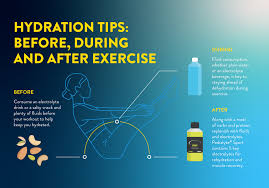
- Before exercise: Drink 400–600 ml of water 1–2 hours before exercising.
- During exercise: Take small sips every 15–20 minutes, especially during long or intense workouts.
- After exercise: Drink enough water to replace fluid lost through sweat. Including electrolytes can help recovery.
For workouts lasting more than one hour, sports drinks may help replenish electrolytes, but plain water is sufficient for most moderate exercises.
Hydration Tips for Effective Exercise
- Always carry a water bottle during workouts
- Drink water even if you don’t feel thirsty
- Increase water intake in hot and humid weather
- Eat water-rich foods like fruits and vegetables
- Avoid excessive caffeine or sugary drinks before exercise
Hydration and Recovery
Hydration does not end when exercise stops. After workouts, the body needs water to repair muscles, remove waste products, and restore energy levels. Proper hydration speeds up recovery, reduces muscle soreness, and prepares the body for the next workout session.
Conclusion
Hydration is a key factor in safe and effective exercise. It supports physical performance, prevents injuries, regulates body temperature, and enhances mental focus. Many people focus on workouts and diet but ignore hydration, which can limit fitness progress. By making hydration a regular habit, you can improve your exercise performance, protect your health, and achieve better fitness results. Remember, water is not just a drink—it is fuel for your body.
Leave a Reply