Fitness plays a crucial role in maintaining a healthy body and mind. However, many people still believe in common fitness myths that can slow progress, cause injuries, or create unnecessary fear about exercise. With so much information available on social media and the internet, it becomes difficult to identify what is true and what is not. This blog aims to clear confusion by explaining popular fitness myths and presenting the real facts behind them.
Myth 1: Sweating More Means Burning More Fat
Fact: Sweating does not directly indicate fat loss.
Many people believe that the more they sweat during a workout, the more fat they burn. In reality, sweating is the body’s way of cooling itself and depends on factors like temperature, humidity, and hydration levels. Fat loss occurs when the body burns calories, not when it sweats. You can burn calories even without excessive sweating, such as during strength training or yoga.
Myth 2: No Pain, No Gain
Fact: Pain is not necessary for progress.
This is one of the most dangerous fitness myths. While mild muscle soreness is normal, extreme pain is a sign of injury or overtraining. Effective workouts should challenge the body, but they should not cause severe pain. Consistent, safe exercise leads to better long-term fitness results than pushing the body beyond its limits.
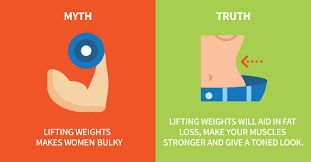
Myth 3: Lifting Weights Makes You Bulky
Fact: Strength training improves muscle tone, not bulk.
Many people, especially women, avoid weight training because they fear becoming bulky. The truth is that building large muscles requires specific training, heavy weights, high calorie intake, and often years of effort. Strength training actually helps in toning muscles, improving metabolism, increasing bone strength, and supporting weight loss.
Myth 4: Cardio Is the Best Way to Lose Weight
Fact: A combination of cardio and strength training is more effective.
Cardio exercises like running, cycling, and swimming help burn calories, but they are not the only solution for weight loss. Strength training builds muscle, and muscle burns more calories even at rest. A balanced fitness routine that includes both cardio and strength training leads to better and sustainable weight management.
Myth 5: You Must Go to the Gym to Stay Fit
Fact: Fitness can be achieved anywhere.
Gym memberships are helpful, but they are not mandatory for staying fit. Home workouts, bodyweight exercises, walking, yoga, and outdoor activities can be just as effective. What matters most is consistency, discipline, and correct exercise techniques, not the location.
Myth 6: Spot Reduction Is Possible
Fact: You cannot lose fat from one specific body part.
Many people believe they can reduce fat from areas like the belly, thighs, or arms by exercising those parts. However, fat loss happens throughout the body, depending on genetics and overall calorie balance. Exercises can strengthen and tone specific muscles, but fat reduction occurs gradually across the entire body.
Myth 7: Supplements Are Necessary for Fitness
Fact: A balanced diet is usually enough.
Fitness supplements are often promoted as essential for muscle growth or fat loss. While some supplements can support specific goals, most people can meet their fitness needs through a healthy, balanced diet rich in proteins, carbohydrates, healthy fats, vitamins, and minerals. Supplements should never replace real food.
Myth 8: Older People Should Avoid Exercise
Fact: Exercise is important at every age.
Some believe exercise is only for young people, but physical activity is crucial for all age groups. Regular exercise helps older adults improve mobility, balance, heart health, and mental well-being. Activities like walking, stretching, yoga, and light strength training are safe and beneficial when done correctly.
Myth 9: More Exercise Means Faster Results
Fact: Rest and recovery are equally important.
Over-exercising can lead to fatigue, injuries, and burnout. The body needs rest to repair muscles and grow stronger. Proper sleep, rest days, and recovery exercises play a major role in improving fitness performance and preventing injuries.
Myth 10: Fitness Results Are Quick
Fact: Fitness is a long-term journey.
Many people quit fitness routines because they expect quick results. In reality, fitness improvements take time, patience, and consistency. Small daily efforts lead to long-lasting health benefits, including better stamina, strength, confidence, and mental health.
Conclusion
Understanding fitness myths and facts is essential for making informed decisions about health and exercise. Believing in myths can create unrealistic expectations and harm physical well-being. By focusing on scientific facts, balanced workouts, proper nutrition, and consistency, anyone can achieve a healthier lifestyle. Fitness is not about shortcuts—it is about smart habits, discipline, and long-term commitment.
Leave a Reply