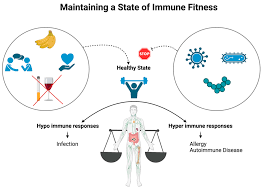
In today’s fast-paced lifestyle, maintaining good health has become more important than ever. People often focus on fitness for weight loss or physical appearance, but fitness plays a much deeper role in our overall well-being. One of the most important benefits of regular fitness activity is its strong connection with immunity. A fit body helps build a strong immune system, which protects us from diseases, infections, and illnesses. This blog explains how fitness and immunity are connected and why regular exercise is essential for a healthy life.
What Is Immunity?
Immunity is the body’s natural defense system that helps fight harmful bacteria, viruses, and other pathogens. A strong immune system can prevent frequent illnesses and help the body recover faster when sick. Factors like diet, sleep, stress, and physical activity directly affect immune health. Among these, fitness and regular exercise play a major role in strengthening immunity.
How Fitness Improves Immunity
Regular physical activity has a positive impact on the immune system in many ways. Moderate exercise boosts the circulation of immune cells in the body, allowing them to detect and fight infections more efficiently. When you exercise, your heart rate increases, which helps immune cells move faster through the bloodstream.
Exercise also helps reduce inflammation in the body. Chronic inflammation weakens the immune system and increases the risk of diseases. Fitness activities such as walking, jogging, yoga, cycling, and strength training help lower inflammation and improve immune response.
Role of Exercise in Reducing Stress
Stress is one of the biggest enemies of immunity. High stress levels increase the production of cortisol, a hormone that suppresses immune function. Regular fitness routines help reduce stress, anxiety, and depression by releasing endorphins, also known as “feel-good hormones.”
Activities like yoga, meditation, and breathing exercises are especially helpful in managing stress. When stress levels are controlled, the immune system functions more effectively, making the body stronger against infections.
Fitness and Better Sleep
Good sleep is essential for a strong immune system, and fitness plays an important role in improving sleep quality. People who exercise regularly tend to fall asleep faster and enjoy deeper sleep. During sleep, the body repairs tissues and produces immune cells.
Lack of sleep weakens immunity and makes the body more vulnerable to illnesses. Even simple exercises like evening walks or stretching can improve sleep patterns and support immune health.
Types of Exercises That Boost Immunity
Not all exercises need to be intense to benefit immunity. Moderate and regular physical activity is the key. Some immunity-boosting fitness activities include:
- Walking: A simple and effective exercise suitable for all age groups
- Yoga: Improves flexibility, reduces stress, and strengthens immunity
- Cycling: Enhances cardiovascular health and lung capacity
- Strength Training: Builds muscle strength and supports metabolism
- Stretching and Mobility Exercises: Improve blood circulation and joint health
Over-exercising should be avoided because excessive workouts can weaken immunity and increase the risk of injuries.
Fitness, Diet, and Immunity
Fitness works best when combined with a balanced and nutritious diet. Regular exercise improves digestion and helps the body absorb nutrients better. Nutrients like vitamins A, C, D, zinc, and protein are essential for immune function.
When fitness and a healthy diet go hand in hand, the body becomes more resistant to infections. Drinking enough water and staying hydrated during workouts also supports immune health.
Fitness for Long-Term Disease Prevention
Regular physical activity helps prevent lifestyle diseases such as diabetes, heart disease, obesity, and high blood pressure. These conditions weaken the immune system and increase the risk of severe infections. By maintaining fitness, the body stays strong and resilient over time.
Fitness also improves lung function, which is especially important in protecting against respiratory infections. A healthy body with strong immunity can better fight seasonal illnesses like cold and flu.
Fitness for Students and Working Professionals
Students and working professionals often ignore fitness due to busy schedules. However, even 30 minutes of daily physical activity can make a big difference. Simple habits like using stairs, walking instead of short travel, or doing home workouts can improve immunity significantly.
For students, fitness improves concentration, memory, and energy levels, while also protecting them from frequent illnesses.
Conclusion
Fitness and immunity are deeply connected. Regular physical activity strengthens the immune system, reduces stress, improves sleep, and helps the body fight diseases more effectively. Fitness is not about extreme workouts or expensive gyms; it is about consistency and maintaining an active lifestyle.
By adopting simple fitness habits along with a balanced diet and proper rest, anyone can build strong immunity and enjoy a healthier life. Remember, investing time in fitness today is an investment in long-term health and immunity.
Leave a Reply