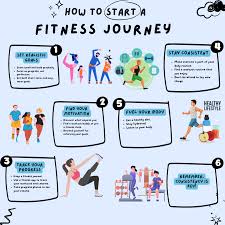
Starting a fitness journey is one of the best decisions you can make for your health and well-being. Regular exercise improves physical strength, boosts mental health, increases energy levels, and reduces the risk of chronic diseases. However, for beginners, working out without proper guidance can lead to injuries, burnout, or loss of motivation. This beginner’s guide to fitness will help you understand how to start working out safely and build a strong foundation for long-term success.
1. Understand Your Fitness Goals
Before you begin exercising, it’s important to clearly define your fitness goals. Ask yourself what you want to achieve—weight loss, muscle gain, improved stamina, flexibility, or overall health. Having a clear goal will help you choose the right type of workout and stay motivated.
Beginners should focus on general fitness and consistency rather than extreme results. Remember, fitness is a marathon, not a sprint.
2. Get Medical Clearance if Needed
If you have any existing health conditions, injuries, or have been inactive for a long time, it’s wise to consult a doctor before starting a workout routine. Medical clearance ensures that you choose exercises that are safe for your body and avoid potential health risks.
3. Start Slow and Progress Gradually
One of the biggest mistakes beginners make is doing too much too soon. This can cause muscle soreness, fatigue, or injuries. Start with low-intensity workouts and gradually increase duration and intensity as your body adapts.
For example:
- Begin with 20–30 minutes of exercise, 3–4 days a week
- Increase workout time or intensity after 2–3 weeks
Consistency matters more than intensity when starting out.
4. Warm-Up and Cool-Down Are Essential
Never skip warm-up and cool-down sessions. Warming up prepares your muscles and joints for exercise, increases blood flow, and reduces injury risk. A proper warm-up may include light jogging, arm circles, or dynamic stretching.
Cooling down helps your body recover, lowers heart rate gradually, and reduces muscle stiffness. Simple stretching exercises after a workout can improve flexibility and prevent soreness.
5. Choose Beginner-Friendly Exercises
As a beginner, focus on basic movements that work multiple muscle groups. These exercises build strength, coordination, and balance.
Good beginner exercises include:
- Walking or light jogging
- Squats
- Push-ups (knee or wall push-ups)
- Lunges
- Planks
- Jumping jacks
You can start with bodyweight exercises before moving on to weights or machines.
6. Maintain Proper Form and Technique
Correct form is more important than lifting heavy weights or doing more repetitions. Poor technique can lead to injuries and slow progress. Take time to learn the proper way to perform exercises by watching tutorials, using mirrors, or seeking guidance from a fitness trainer.
If something feels painful (not just uncomfortable), stop immediately.
7. Balance Cardio and Strength Training
A balanced fitness routine includes both cardio and strength training. Cardio exercises like walking, cycling, or skipping improve heart health and burn calories. Strength training builds muscle, boosts metabolism, and strengthens bones.
For beginners, a simple weekly plan could be:
- 2–3 days of cardio
- 2–3 days of strength training
- 1–2 rest days
8. Listen to Your Body
Your body gives signals when it needs rest. Muscle soreness is normal, but sharp pain, dizziness, or extreme fatigue are warning signs. Rest days are just as important as workout days because muscles grow and recover during rest.
Getting enough sleep, staying hydrated, and eating nutritious food all support recovery and performance.
9. Stay Consistent and Motivated
Motivation may be high at the beginning, but consistency is what brings results. Set realistic goals, track your progress, and celebrate small achievements. You can also stay motivated by working out with a friend, listening to music, or following fitness challenges.
Avoid comparing yourself to others. Everyone’s fitness journey is different.
10. Make Fitness a Lifestyle
Fitness should not feel like a punishment. Choose activities you enjoy so that exercise becomes a part of your daily routine. Whether it’s dancing, yoga, swimming, or gym workouts, enjoying the process makes it sustainable.
Conclusion
Starting a fitness journey as a beginner can feel overwhelming, but with the right approach, it becomes safe and enjoyable. Begin slowly, focus on proper form, balance your workouts, and listen to your body. With consistency and patience, fitness will transform not just your body, but your overall quality of life. Remember, the key to success is not perfection—it’s persistence.
Leave a Reply