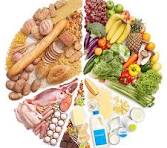
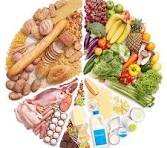
Maintaining a healthy lifestyle starts with what we eat every day. A balanced diet provides the body with essential nutrients, improves energy levels, supports immunity, and helps prevent chronic diseases. In today’s fast-paced world, unhealthy eating habits have become common, leading to weight gain, stress, and lifestyle disorders. This blog explains what a balanced diet is, its benefits, and provides a simple balanced diet chart with a daily meal plan that anyone can follow.
What Is a Balanced Diet?
A balanced diet is a meal plan that includes the right proportions of carbohydrates, proteins, fats, vitamins, minerals, and water. Each nutrient plays a vital role in maintaining overall health:
- Carbohydrates provide energy
- Proteins help in muscle growth and repair
- Healthy fats support brain and heart health
- Vitamins & minerals boost immunity and body functions
- Fiber improves digestion
- Water keeps the body hydrated and toxin-free
Eating a variety of foods in the right quantity ensures the body gets everything it needs to function efficiently.
Benefits of a Balanced Diet
Following a balanced diet regularly can transform your health in many ways:
- Helps maintain a healthy body weight
- Improves digestion and gut health
- Boosts immunity and energy levels
- Reduces the risk of diabetes, heart disease, and obesity
- Improves mental focus and mood
- Enhances skin, hair, and overall appearance
A balanced diet is not about strict restrictions but about making smarter food choices consistently.
Key Components of a Balanced Diet
1. Carbohydrates (45–60%)
Include whole grains such as brown rice, oats, whole wheat, millets, fruits, and vegetables. Avoid refined carbs like white bread and sugary foods.
2. Proteins (15–25%)
Proteins are essential for muscle repair and metabolism. Sources include lentils, beans, eggs, dairy products, fish, chicken, tofu, and nuts.
3. Healthy Fats (20–30%)
Choose healthy fats like olive oil, nuts, seeds, avocado, and fatty fish. Avoid trans fats and excessive fried foods.
4. Vitamins & Minerals
Consume colorful fruits and vegetables like spinach, carrots, tomatoes, citrus fruits, and berries to meet micronutrient needs.
5. Fiber
Fiber improves digestion and keeps you full longer. Whole grains, fruits, vegetables, and legumes are excellent sources.
Balanced Diet Chart for a Healthy Lifestyle
Below is a simple daily balanced diet chart suitable for most adults. You can adjust portion sizes based on age, gender, and activity level.
🌅 Early Morning
- 1 glass warm water with lemon
- 5–6 soaked almonds or walnuts
🍳 Breakfast
- Vegetable omelet / paneer bhurji / boiled eggs
- 1–2 slices whole wheat bread or oats
- 1 fruit (apple, banana, or papaya)
- 1 cup green tea or milk
🍎 Mid-Morning Snack
- Fresh fruit or fruit bowl
- Coconut water or buttermilk
🍛 Lunch
- 1–2 chapatis or brown rice
- Dal / grilled chicken / fish / tofu
- Mixed vegetable curry
- Salad (cucumber, carrot, tomato)
- 1 bowl curd
☕ Evening Snack
- Roasted chana / sprouts / nuts
- Green tea or herbal tea
🍽 Dinner (Light & Early)
- Vegetable soup or sautéed vegetables
- Grilled paneer / fish / chicken
- 1 chapati or small portion of rice
🌙 Before Bed (Optional)
- 1 glass warm milk (low fat)
Tips to Follow a Balanced Diet Daily
- Eat at regular intervals
- Control portion sizes
- Avoid processed and junk foods
- Limit sugar and salt intake
- Drink at least 8–10 glasses of water daily
- Include seasonal fruits and vegetables
- Practice mindful eating
Consistency is more important than perfection. Small daily improvements lead to long-term health benefits.
Balanced Diet for Weight Loss vs Healthy Living
While the same balanced diet works for overall health, weight loss requires:
- Reduced portion sizes
- Fewer refined carbs
- Higher protein intake
- Regular physical activity
For healthy living, focus on nutrient quality rather than calorie restriction.
Final Thoughts
A balanced diet chart for a healthy lifestyle is the foundation of long-term wellness. It nourishes your body, sharpens your mind, and protects you from diseases. Instead of following fad diets, adopt a balanced eating approach that fits your lifestyle and culture.
Remember, healthy eating is not a temporary plan — it’s a lifelong habit. Start small, stay consistent, and your body will thank you.
Leave a Reply