In today’s fast-paced and competitive world, mental health and self-confidence have become as important as physical health. Stress, anxiety, low self-esteem, and lack of confidence are common problems faced by students, professionals, and even children. One of the most effective and natural ways to improve mental health and build confidence is regular physical fitness. Fitness is not only about having a strong body; it also plays a vital role in creating a positive mindset and a confident personality.
Connection Between Fitness and Mental Health
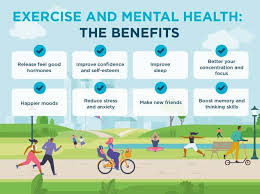
Mental health refers to our emotional, psychological, and social well-being. Regular exercise has a direct impact on the brain. When we exercise, the body releases endorphins, also known as “feel-good hormones.” These chemicals help reduce stress, anxiety, and depression while improving mood and overall happiness.
Physical activities such as walking, jogging, yoga, cycling, or gym workouts help clear negative thoughts and provide mental relaxation. Studies show that people who exercise regularly have lower levels of stress and are more emotionally balanced. Fitness acts as a natural therapy that keeps the mind calm and focused.
How Fitness Reduces Stress and Anxiety
Stress and anxiety are major mental health issues in modern life. Academic pressure, job stress, social media influence, and personal problems can disturb mental peace. Exercise helps the body manage stress by lowering cortisol levels, which is the stress hormone.
Activities like yoga and meditation combined with fitness improve breathing patterns and help control anxiety. Even simple exercises like stretching or a 30-minute walk can significantly reduce stress. Regular fitness routines provide a healthy outlet to release tension and negative emotions.
Fitness and Self-Confidence
Self-confidence is the belief in one’s abilities and self-worth. Fitness plays an important role in boosting confidence. When individuals set fitness goals and achieve them, they feel a sense of accomplishment. This achievement increases self-belief and motivation.
As physical fitness improves, body posture, strength, and appearance also improve. Feeling healthy and energetic automatically enhances self-image. People who are fit often feel more comfortable in social situations and develop a positive attitude toward themselves.
Role of Fitness in Improving Self-Esteem
Self-esteem is how we value ourselves. Regular exercise helps improve self-esteem by creating a sense of discipline and control. Fitness teaches consistency, patience, and self-care. Each workout session is a reminder that you are investing in yourself.
Fitness also reduces negative self-talk. When you challenge your body and overcome physical limits, your mind learns to handle challenges better. This mental strength reflects in daily life, academics, and career growth.
Fitness for Better Sleep and Mental Clarity
Good mental health depends on quality sleep. Regular physical activity improves sleep patterns by helping the body relax naturally. Better sleep leads to improved concentration, memory, and emotional stability.
Fitness also increases mental clarity and focus. Exercise increases blood flow to the brain, improving cognitive functions. Students who exercise regularly often perform better academically due to improved attention and reduced mental fatigue.
Types of Fitness Activities for Mental Health
Different fitness activities offer unique mental health benefits:
- Yoga and Meditation: Improve mindfulness, reduce anxiety, and enhance emotional balance.
- Cardio Exercises: Running, cycling, or swimming improve mood and reduce depression.
- Strength Training: Builds confidence by increasing physical strength and discipline.
- Outdoor Activities: Walking in nature improves mental peace and reduces stress.
Choosing activities you enjoy makes fitness sustainable and enjoyable.
Fitness as a Tool for Emotional Resilience
Life is full of challenges and failures. Fitness builds emotional resilience by teaching persistence and self-control. People who exercise regularly develop a strong mindset to handle pressure and setbacks.
Fitness routines create structure in daily life, reducing feelings of confusion and helplessness. This structure provides emotional stability and a sense of purpose, which is essential for mental well-being.
Conclusion
Fitness is a powerful tool for improving mental health and self-confidence. It reduces stress, anxiety, and depression while promoting happiness, positivity, and emotional strength. Regular physical activity builds confidence, self-esteem, and mental clarity. In a world where mental health challenges are increasing, fitness offers a simple, natural, and effective solution.
By making fitness a part of daily life, individuals can achieve not only a healthy body but also a strong mind and confident personality. Remember, a fit body creates a confident mind, and a confident mind leads to a successful and happy life.
Leave a Reply