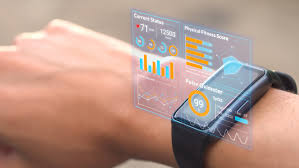
In today’s digital age, technology has transformed almost every aspect of our lives, including how we maintain our health and fitness. Fitness tracking technology has become a powerful tool for people who want to stay active, monitor their progress, and achieve their health goals effectively. From smartphones and wearable devices to mobile applications and smart equipment, technology has made fitness tracking easier, more accurate, and highly motivating. This article explains how technology helps in fitness tracking and why it has become essential for a healthy lifestyle.
1. Evolution of Fitness Tracking Technology
Earlier, fitness tracking was limited to manual methods such as maintaining notebooks, counting steps mentally, or estimating calorie intake. Today, advanced technology has replaced guesswork with data-driven insights. Fitness trackers, smartwatches, and mobile apps can record real-time information about physical activity, heart rate, sleep patterns, and calories burned. This evolution has made fitness tracking accessible to people of all ages and fitness levels.
2. Wearable Devices for Accurate Monitoring
Wearable fitness devices like smartwatches and fitness bands play a major role in fitness tracking. These devices use sensors to track steps, distance, heart rate, oxygen levels, and even stress. By wearing these devices throughout the day, users get continuous health data without any effort.
Wearables help users:
- Monitor daily activity levels
- Track workouts such as running, cycling, and gym sessions
- Measure heart rate and calories burned
- Analyze sleep quality and recovery
This accurate monitoring helps individuals understand their physical condition and make better fitness decisions.
3. Fitness Mobile Apps and Personalization
Fitness mobile applications are another important part of fitness tracking technology. Apps like workout planners, calorie counters, and yoga guides allow users to track their fitness journey on their smartphones. These apps often provide personalized workout plans and diet suggestions based on age, weight, goals, and activity level.
Benefits of fitness apps include:
- Customized workout routines
- Daily activity and calorie tracking
- Nutrition and hydration monitoring
- Progress reports and goal reminders
Personalization keeps users motivated and helps them follow a structured fitness routine.
4. Real-Time Feedback and Motivation
One of the biggest advantages of technology in fitness tracking is real-time feedback. When users exercise, they can instantly see their performance data, such as speed, heart rate, and calories burned. This immediate feedback helps users adjust their workouts for better results.
Technology also increases motivation through:
- Daily step goals
- Achievement badges and rewards
- Progress charts and graphs
- Reminders and notifications
Such features encourage consistency and make fitness tracking more engaging and enjoyable.
5. Data Analysis and Progress Tracking
Fitness tracking technology collects large amounts of data over time. This data is analyzed to show trends and patterns in physical activity, weight, sleep, and overall health. Users can view weekly, monthly, or yearly progress reports to evaluate their improvement.
Progress tracking helps in:
- Identifying strengths and weaknesses
- Setting realistic fitness goals
- Avoiding overtraining or inactivity
- Staying committed to long-term fitness plans
By understanding data insights, users can improve their fitness strategies effectively.
6. Integration with Smart Equipment and Online Platforms
Modern gyms and home fitness setups use smart equipment that connects with fitness apps and wearables. Treadmills, exercise bikes, and smart weights can sync workout data automatically. Online fitness platforms also offer virtual training sessions and live workout classes.
This integration provides:
- Accurate workout records
- Access to expert guidance
- Convenience of home workouts
- Social interaction through fitness communities
Technology bridges the gap between professional training and personal fitness tracking.
7. Health Awareness and Preventive Care
Fitness tracking technology does more than track exercise; it promotes overall health awareness. By monitoring vital signs like heart rate, sleep quality, and activity levels, technology can alert users to potential health issues. Some devices even detect irregular heartbeats or high stress levels.
Early health insights help in:
- Preventing lifestyle-related diseases
- Improving mental health
- Encouraging healthier daily habits
- Supporting long-term wellness
This preventive approach makes fitness tracking technology highly valuable.
8. Accessibility and Convenience
Technology has made fitness tracking affordable and accessible. Most people already own smartphones, and many fitness apps are free or low-cost. This convenience allows users to track fitness anytime and anywhere without professional supervision.
Students, working professionals, and seniors can all benefit from fitness tracking technology according to their needs and schedules.
Conclusion
Technology has revolutionized fitness tracking by making it simple, accurate, and motivating. Wearable devices, fitness apps, smart equipment, and data analysis tools help individuals monitor their health, track progress, and achieve fitness goals efficiently. With real-time feedback, personalized plans, and health insights, fitness tracking technology encourages a healthier and more active lifestyle. As technology continues to advance, fitness tracking will become even more intelligent, making health and fitness easier to manage for everyone.
Leave a Reply